

Your private health insurance
Circle Health Group works with all major UK health insurance providers. Simply let your provider know your chosen hospital to begin your treatment journey.
 Initial consultation price:
£300
Initial consultation price:
£300
Initial consultation price:
£300
Initial consultation price:
£300
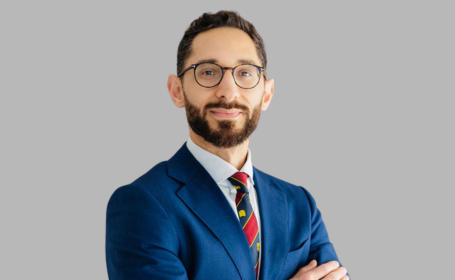
Mr Pasha Normahani is a Consultant Vascular Surgeon who assesses and treats problems affecting the arteries and veins. At Syon Clinic in Brentford, he offers specialist assessment for adults with varicose veins, aching or heavy legs, ankle swelling, leg pain when walking, poor circulation, diabetic foot problems, and leg or foot wounds that are slow to heal. His practice combines modern vein treatment with expertise in peripheral arterial disease and limb preservation, allowing him to consider the whole circulation rather than a single symptom in isolation.
Patients often attend because they are unsure whether their symptoms are caused by vein disease, arterial disease or another problem. Mr Normahani begins with a careful history and vascular examination. When useful, he arranges duplex ultrasound or other vascular imaging to define the cause and severity of the problem. He explains results in straightforward language and discusses the benefits, limitations and alternatives of treatment. His aim is to give each patient a clear diagnosis and a practical plan, including when no procedure is needed.
He has a particular interest in varicose veins and venous disease. He assesses visible, painful and recurrent varicose veins, venous reflux, aching and heavy legs, ankle swelling, venous eczema, skin changes, superficial thrombophlebitis and venous leg ulcers. Treatment is tailored to symptoms, ultrasound findings and individual priorities. Where appropriate, options include endovenous laser ablation (EVLA or EVLT), ultrasound-guided foam sclerotherapy, phlebectomy and microsclerotherapy. These are generally minimally invasive treatments performed under local anaesthetic. Mr Normahani also discusses expected recovery, recurrence risk and whether treatment is being considered for symptoms, skin protection or cosmetic concerns.
His arterial practice includes assessment of calf pain when walking, reduced walking distance, intermittent claudication, rest pain, blocked leg arteries, peripheral arterial disease and other causes of poor circulation. He also sees patients with diabetic foot disease, non-healing wounds and leg or foot ulcers. In complex cases, his focus is on identifying why a wound has not healed, establishing whether blood supply is limiting recovery, and coordinating the right combination of wound care, risk-factor treatment and revascularisation. Limb preservation is a central clinical and research interest. He works within multidisciplinary pathways and collaborates with vascular scientists, radiologists, diabetes and podiatry teams, and wound-care colleagues when this improves care.
Mr Normahani holds NHS consultant posts at Imperial College Healthcare NHS Trust and Chelsea and Westminster Hospital NHS Foundation Trust, where he manages elective and emergency arterial and venous conditions. He qualified from Imperial College School of Medicine in 2012 and completed specialist vascular surgery training in London. His academic training included appointments as a National Institute for Health and Care Research Academic Clinical Fellow and Academic Clinical Lecturer.
He holds a BSc in Surgery and Anaesthesia, an MSc in Surgical Science with Distinction and the Imperial College Dean's Prize, a PhD from Imperial College London, an MBA from Imperial College Business School supported by an Imperial Excellence Scholarship, and Fellowship of the Royal College of Surgeons in Vascular Surgery. His doctoral and continuing research focuses on improving the diagnosis of peripheral arterial disease in people with diabetes, vascular diagnostics, digital health and the responsible use of machine learning in clinical care. He has led and contributed to national research studies and remains involved in teaching, innovation and service development.
Mr Normahani's consultation style is calm, thorough and collaborative. Common questions include whether varicose veins are dangerous, whether leg pain is caused by poor circulation, whether an ulcer needs a vascular assessment, which treatment is most suitable, and how soon normal activities can resume. He answers these questions in the context of the individual patient rather than offering a standard procedure. He welcomes self-pay and insured patients and works closely with GPs and other clinicians so that the diagnosis, treatment plan and follow-up are clear.
Syon Clinic, Syon Clinic, 941 Great West Road, Brentford, TW8 9DU
Our private hospital offers advanced treatments and services for those who live in Brentford, Chiswick, Richmond and further afield.
Circle Health Group works with all major UK health insurance providers. Simply let your provider know your chosen hospital to begin your treatment journey.


7293963
A General Medical Council (GMC) number is a unique ID that shows a specialist is officially registered and approved to practice medicine in the UK.
We want to make it as easy as possible for you to find the information you need, so we've gathered a list of frequently asked questions about our hospitals and services
You can either book an consultation via the online booking process, fill in the enquiry form, or give us a call at 0808 101 0337.
Find out how much private healthcare costs and how these prices break down.
Whether you have your own private medical insurance policy or are covered through your employer, we'll guide you through how to make a claim for treatment at a Circle Hospital.
The number one benefit of private healthcare for most people is that you'll experience a shorter waiting time for treatment. We don't have long waiting lists, and in general you'll simply get treatment as and when you need it.
As a private patient, you shouldn't experience long waits between appointments. We can usually offer you an initial consultation within days of you getting in touch, and we'll book you in for the treatments you need on a date and time that suits you.
Still not answered your question?
Read our full FAQs here