

Your private health insurance
Circle Health Group works with all major UK health insurance providers. Simply let your provider know your chosen hospital to begin your treatment journey.
 Initial consultation price:
£230
Initial consultation price:
£230
Initial consultation price:
£230
Initial consultation price:
£230
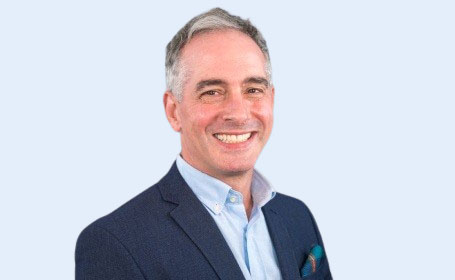
These can affect growth or pubertal development and have significant effects on a child’s physical and emotional wellbeing. The conditions he manages include normal variations in growth and puberty; over or under activity of the pituitary, thyroid and adrenal glands; endocrine-related obesity and more complex disorders of sex development.
As a Paediatric Endocrinologist, he links closely with other tertiary specialists, including surgeons, gynaecologists, geneticists and adult endocrinologists, to provide co-ordinated and comprehensive care.
He has worked in the field of Paediatrics since 1998 and Paediatrics Endocrinology since 2004. He obtained his BSc in Medical Science at St. Andrew’s University in Scotland with a distinction in Pathology, and subsequently went on to complete his medical degree at the University of Manchester with a distinction in Paediatrics.
He was appointed as a member of the Royal College of Paediatrics and Child Health (RCPCH) in 2001, and went on to obtain Fellowship of the RCPCH in 2010. Professor Dimitri was awarded his PhD by the University of Sheffield in 2010. He received his training in Paediatric Endocrinology at Sheffield Children’s NHS Foundation Trust, one of only 3 specialist children’s NHS Trusts in the country.
In addition to his expertise in paediatric endocrinology, Professor Dimitri co-leads the Hypothalamic and Pituitary Tumour Service at Sheffield Children’s Hospital, looking after children from across the country. He established the Hypothalamic Pituitary Axis Tumour Special Interest Group at the British Society of Paediatric Endocrinology and Diabetes, and is the current group Convenor.
He co-leads the Paediatric Late Effects Endocrinology service at Sheffield Children’s Hospital, developed to support childhood survivors of cancer with hormonal complications. He is a member of the British Society of Paediatric Endocrinology and Diabetes and the Society for Endocrinology, and is a Fellow of the Royal College of Paediatrics and Child Health.
Research
Professor Dimitri is internationally recognised in his research area studying the impact of childhood obesity on bone health and skeletal development, and for his focus on child health technology development. He has presented at many international conferences in these fields and has published in high-impact medical journals.
He is the Director of Research & Innovation at the Sheffield Children’s NHS Foundation Trust supporting the delivery of commercial and non-commercial research in children and young people across the region.
Professor Dimitri is the Director of the NIHR Children and Young People MedTech Co-operative (NIHR CYP MedTech). NIHR CYP MedTech is hosted at Sheffield Children’s Hospital and is the first Paediatric NIHR MedTech Co-operative in the country, bringing together 7 NHS Trusts to accelerate the development of child health technology.
He is also the Clinical Director for the National TITCH (Technology Innovation Transforming Child Health) Network, established to support the development and adoption of technology for children’s healthcare.
Professor Dimitri is also the NIHR Clinical Research Network National Children’s Specialty Lead, leading 15 Local Clinical Research Networks delivering national research for children and young people, and he is the MedTech Strategic Lead for the NIHR Yorkshire and Humber Clinical Research Network.
Thornbury Hospital, 312 Fulwood Road, Sheffield, S10 3BR
Our private hospital offers treatments and services for those who live in Sheffield, South Yorkshire and further afield

Circle Health Group works with all major UK health insurance providers. Simply let your provider know your chosen hospital to begin your treatment journey.


4410601
A General Medical Council (GMC) number is a unique ID that shows a specialist is officially registered and approved to practice medicine in the UK.
We want to make it as easy as possible for you to find the information you need, so we've gathered a list of frequently asked questions about our hospitals and services
You can either book an consultation via the online booking process, fill in the enquiry form, or give us a call at 0808 101 0337.
Find out how much private healthcare costs and how these prices break down.
Whether you have your own private medical insurance policy or are covered through your employer, we'll guide you through how to make a claim for treatment at a Circle Hospital.
The number one benefit of private healthcare for most people is that you'll experience a shorter waiting time for treatment. We don't have long waiting lists, and in general you'll simply get treatment as and when you need it.
As a private patient, you shouldn't experience long waits between appointments. We can usually offer you an initial consultation within days of you getting in touch, and we'll book you in for the treatments you need on a date and time that suits you.
Still not answered your question?
Read our full FAQs here