


Your private health insurance
Circle Health Group works with all major UK health insurance providers. Simply let your provider know your chosen hospital to begin your treatment journey.
 Initial consultation price:
£250
Initial consultation price:
£250
Initial consultation price:
£250
Initial consultation price:
£250
Mr Williamson graduated from Cardiff Medical School in 1987 and began his surgical training in South Wales before moving to The General Infirmary at Leeds to undertake research for an MD thesis. He later joined the West Yorkshire Specialist Registrar Scheme to complete his surgical training, which included a specialist colorectal fellowship at Concord Hospital in Sydney.
In August 1999, he was appointed Consultant Colorectal and General Surgeon at the Royal United Hospital in Bath, a position he held for over 25 years. During this time, he treated patients with colorectal cancer, inflammatory bowel disease, and a wide range of other colorectal conditions, while also participating in the general surgical on-call rota.
At Bath Clinic, Mr Williamson continues to have a strong specialist interest in benign colorectal disease and groin and abdominal wall hernia surgery.
When you meet him in clinic, his aim is to clearly and accessibly explain your medical condition, its investigation, and treatment options. Drawing on decades of experience, he believes in empowering patients to make informed decisions - especially when surgery may not be the only or best option. He is known for helping patients understand the balance between the risks and benefits of surgical treatment. Many patients have expressed that, even after previous consultations elsewhere, Mr Williamson's explanations left them with a much better understanding of their condition and its management.
Mr Williamson is a highly experienced Consultant Surgeon specialising in the diagnosis and treatment of inguinal hernias, the most common type of hernia occurring in the groin region. These hernias develop when fatty tissue or bowel pushes through a natural weakness in the abdominal wall.
There are two main types:
While some hernias cause minimal discomfort, they typically enlarge over time and do not resolve without treatment. Symptoms may include a visible bulge, aching, or a dragging sensation in the groin, especially after physical activity. In rare cases, a hernia can become trapped or strangulated, requiring urgent surgical intervention.
When to Should I Consider Surgery?
Surgery is usually recommended if the hernia causes discomfort, restricts daily activities, or poses a risk of complications. In women, groin hernias are typically repaired regardless of symptoms due to the higher risk associated with some types of groin hernia.
Mr Williamson offers individualised consultations to discuss the timing and necessity of surgery, ensuring patients are fully informed and supported in their decision-making.Surgical Options
Patients are offered a choice between two main surgical approaches:
Open Repair
Laparoscopic (Keyhole) Repair
Mr Williamson has performed over 250 TEP procedures with excellent outcomes and a recurrence rate of less than 1 in 100.
All repairs use safe, modern mesh to reinforce the abdominal wall. These meshes are not associated with the complications seen with pelvic floor mesh procedures.
Risks and Recovery
Common side effects include bruising, swelling, and temporary discomfort. Less common risks include haematoma, urinary issues, infection, and chronic pain. All potential risks are discussed thoroughly during consultation with Mr Williamson.
Mr Williamson is proficient in both open and laparoscopic (keyhole) hernia repair techniques, including the advanced Totally Extraperitoneal (TEP) method. Unlike many surgeons who focus on a single approach, Mike is equally skilled in both, allowing him to tailor recommendations based on each patient’s health, lifestyle, and preferences.
Laparoscopic (TEP) Repair
Open Repair
Mr Williamson regularly performs both laparoscopic and open repairs with excellent outcomes. His dual expertise ensures patients receive unbiased, personalised advice on the most appropriate surgical option.
Mr Williamson also treats paraumbilical, epigastric, and other midline hernias. His preferred technique involves a small incision and pre-peritoneal mesh placement, offering:
Mr Williamson is an experienced consultant colonoscopist with over 30 years of practice in performing high-quality colonoscopy, including the detection and removal of bowel polyps. He consistently achieves excellent clinical outcomes and high levels of patient satisfaction.
Patient safety and comfort are central to his practice. Colonoscopy can be performed with or without sedation, and so he will take the time to discuss your options and tailor the procedure to your individual needs, with the aim of providing a safe, calm and comfortable experience.
Mr Williamson welcomes patients who feel well but are considering a screening colonoscopy to reduce their personal risk of bowel cancer. This may include people with a family history that does not meet NHS screening criteria, or those who have reached an age where bowel polyps and bowel cancer are more common. He believes in clear, open communication and will ensure you fully understand the potential benefits and risks before deciding whether to proceed.
With over 25 year’s as a Specialist Colorectal Surgeon, Mr Williamson brings a wealth of experience to managing common anorectal conditions, including haemorrhoids, anal fistulas, anal fissures, and pilonidal sinus disease. He offers a variety of techniques for haemorrhoidal disease and works closely with patients to achieve the best balance between post-operative discomfort and successful management of your problem. Mike is confident in managing anal fistulas and fissures and brings a measured, patient-centred approach to care. He takes time to explain all available options along with their risks and benefits, so that patients can choose the approach that best suits them - or decide not to proceed once fully informed.
Haemorrhoids are blood vessel filled cushions inside the normal anus, but when they become enlarged, they can cause symptoms such as bleeding, itching, discomfort, or lumps that come down during bowel movements (prolapse). Early change may settle with simple measures including over-the-counter treatments.
If symptoms persist or worsen, specialist assessment can be sought. While haemorrhoids are a common cause of bleeding, it is sometimes important to rule out other conditions and depending on your symptoms and age, a colonoscopy may be advised before treatment.
Treatment is tailored to your symptoms and usually starts with your GP recommending lifestyle and medical treatments including: dietary fibre, increased fluid intake, laxatives, and topical treatments but if they are not helpful a specialist will discuss:
Minimally invasive procedures, such as rubber band ligation or stitching techniques (HALO/THD), are less painful to recover from and can be effective for ongoing symptoms.
Surgical removal (haemorrhoidectomy) may be recommended for severe or persistent haemorrhoids and offers the most definitive long-term relief.
With over 30 years’ experience treating haemorrhoids, Mr Williamson will focus on clear explanations, shared decision-making, and selecting the most effective treatment while being open about recovery and expected outcomes. The great majority of patients experience a significant improvement in comfort and quality of life after treatment.
An anal fissure is a small tear in the skin just inside the anus. Although small, it can cause significant pain, particularly after a bowel movement. Many fissures heal on their own within a few weeks, but if symptoms last longer than six weeks, the fissure is considered chronic and will often require treatment.
Symptoms
Pain is the main symptom and is often described as a sharp or burning sensation when opening the bowels, followed by aching or spasm that can last from 30 minutes to several hours. Some people also notice a small amount of bleeding.
Treatment Options
Treatment aims to reduce pain, relax the anal muscle, and allow healing. Options include:
When to Seek Help
If you experience pain or bleeding when opening your bowels, your GP can often start treatment. If symptoms persist, specialist assessment is recommended. Mr Williamson is a very experienced colorectal surgeon, and regularly treats anal fissures and can guide you through the most appropriate treatment options to help you return to a pain-free life.
Anal Fistulas – Overview and Treatment
An anal fistula is an abnormal tunnel that forms between the inside of the anal canal and the skin around the anus. It usually develops after an anal abscess. Fistulas do not heal on their own and, if left untreated, can lead to repeated infection so early assessment is recommended.
Fistulas are broadly classified as low (simple) or high (complex), depending on how much of the anal sphincter muscle is involved. This distinction is important, as it determines the safest and most effective treatment.
Treatment Options
Anal fistulas require surgical treatment. The approach depends on the type of fistula:
Personalised Care and Recovery
With over 25 years’ experience treating anal fistulas, Mike will tailor treatment to each patient, prioritising effective healing while preserving long-term bowel control. Most patients experience some soreness for a few days and return to normal activities relatively quickly. Early follow-up is important to ensure proper healing and reduce the risk of recurrence.
The surgery by Mr Williamson was very efficient & I was soon back in my room & then discharged. Excellent service. - Sept 2025
I underwent a minor surgical procedure in the care of Mr M Williamson and his highly professional team..... Everything went to plan and I was most impressed by the cleanliness, kindness and courtesy with which I was treated. - Nov 2025
Bath Clinic, Claverton Down Road, Combe Down, BA2 7BR
Our private hospital offers treatments and services to people in Bath, Bristol, North East Somerset and the surrounding areas

Circle Health Group works with all major UK health insurance providers. Simply let your provider know your chosen hospital to begin your treatment journey.


3200920
A General Medical Council (GMC) number is a unique ID that shows a specialist is officially registered and approved to practice medicine in the UK.
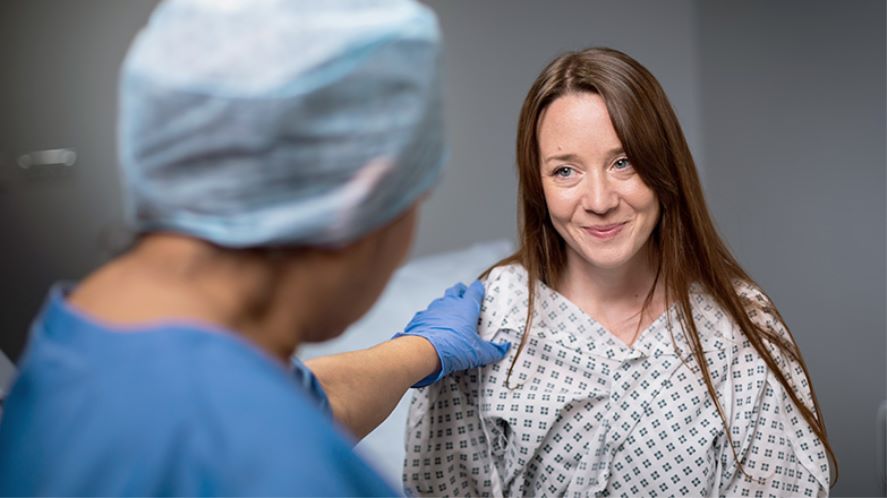
We want to make it as easy as possible for you to find the information you need, so we've gathered a list of frequently asked questions about our hospitals and services
You can either book an consultation via the online booking process, fill in the enquiry form, or give us a call at 0808 101 0337.
Find out how much private healthcare costs and how these prices break down.
Whether you have your own private medical insurance policy or are covered through your employer, we'll guide you through how to make a claim for treatment at a Circle Hospital.
The number one benefit of private healthcare for most people is that you'll experience a shorter waiting time for treatment. We don't have long waiting lists, and in general you'll simply get treatment as and when you need it.
As a private patient, you shouldn't experience long waits between appointments. We can usually offer you an initial consultation within days of you getting in touch, and we'll book you in for the treatments you need on a date and time that suits you.
Still not answered your question?
Read our full FAQs here