

Your private health insurance
Circle Health Group works with all major UK health insurance providers. Simply let your provider know your chosen hospital to begin your treatment journey.
 Initial consultation price:
£250
Initial consultation price:
£250
Initial consultation price:
£250
Initial consultation price:
£250
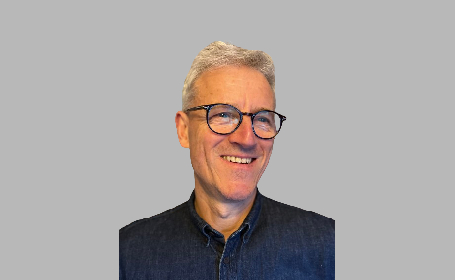
Professor Mark McAlindon graduated from Nottingham in 1987, where he returned in 1993 to undertake a 2-year British Digestive Foundation (BDF) Research Fellowship after further clinical training in the UK and Melbourne, Australia. He was appointed as a Consultant Gastroenterologist in Sheffield in 1998. He was an elected member of the BSG Small Bowel and Nutrition Committee, a long-standing member of the BSG Endoscopy Committee and remains the National Quality Improvement Lead for Small Bowel Endoscopy. He represented the UK on the European Society of Gastrointestinal Endoscopy Small Bowel Endoscopy Research Group.
Clinical experience
He has a wealth of clinical experience in general gastroenterology acquired in different UK centres and abroad. He has special interests in Crohn's and colitis, gastroduodenal inflammation and functional disorders such as irritable bowel syndrome and endoscopy. He leads the nutrition service and set up the first and largest capsule endoscopy service in the UK.
Teaching and training
He developed the European Capsule Endoscopy Training Course and co-directed the biannual course from 2005. This course was fundamental in the development of the national capsule endoscopy training and accreditation programme. He has taught on courses in London, Amsterdam, Paris, Berlin and Rome and lectured in the UK as well as other European centres, India and China.
Research
His BDF fellowship was spent investigating molecular mechanisms of inflammatory bowel disease. He introduced laboratory techniques learnt in Melbourne to Nottingham, to study potential new therapies to minimise the risk of drug-related stomach inflammation.
Recent focus has been on novel non-invasive endoscopic technologies in gastrointestinal (GI) investigation. This includes the use of capsule endoscopy (swallowable pill cameras) in the small bowel, large bowel (or colon) and upper GI tract.
Current studies include the patient experience of a joystick-controlled robot magnet to examine the stomach using a capsule endoscope and the use of colon capsules as a low risk, minimally invasive, minimal contact method of examining the colon. Professor McAlindon has over 150 research publications in peer-reviewed journals which include several book chapters and national and international guidelines. He also co-edited the Handbook of Capsule Endoscopy (Springer, 2016). He is an Honorary Professor at the University of Sheffield.
Awards
Media
Thornbury Hospital, 312 Fulwood Road, Sheffield, S10 3BR
Our private hospital offers treatments and services for those who live in Sheffield, South Yorkshire and further afield

Circle Health Group works with all major UK health insurance providers. Simply let your provider know your chosen hospital to begin your treatment journey.


3242126
A General Medical Council (GMC) number is a unique ID that shows a specialist is officially registered and approved to practice medicine in the UK.
We want to make it as easy as possible for you to find the information you need, so we've gathered a list of frequently asked questions about our hospitals and services
You can either book an consultation via the online booking process, fill in the enquiry form, or give us a call at 0808 101 0337.
Find out how much private healthcare costs and how these prices break down.
Whether you have your own private medical insurance policy or are covered through your employer, we'll guide you through how to make a claim for treatment at a Circle Hospital.
The number one benefit of private healthcare for most people is that you'll experience a shorter waiting time for treatment. We don't have long waiting lists, and in general you'll simply get treatment as and when you need it.
As a private patient, you shouldn't experience long waits between appointments. We can usually offer you an initial consultation within days of you getting in touch, and we'll book you in for the treatments you need on a date and time that suits you.
Still not answered your question?
Read our full FAQs here