

Your private health insurance
Circle Health Group works with all major UK health insurance providers. Simply let your provider know your chosen hospital to begin your treatment journey.
 Initial consultation price:
£200
Initial consultation price:
£200
Initial consultation price:
£200
Initial consultation price:
£200
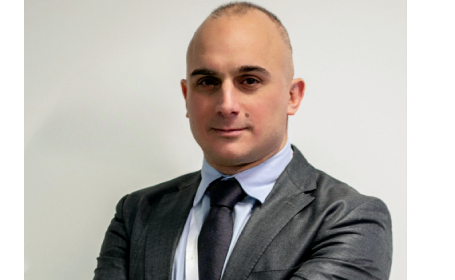
Mr Markakis has extensive experience in weight management including treatment with weight loss medications (Wegovy, Mounjaro) and bariatric surgery for people living with severe and complex obesity. He performs all major bariatric procedures including gastric band, sleeve gastrectomy, one anastomosis ("mini" gastric bypass), Roux-en-Y gastric bypass and single-anastomosis duodeno-ileostomy (SADI) and has an interest in revisional bariatric surgery for the treatment of complications including acid reflux, but also weight regain both after gastric bypass and sleeve gastrectomy with a combination of pharmacotherapy and revisional surgery including endoscopic options (Apollo Overstitch).
His training includes two Royal College of Surgeons accredited fellowships including the prestigious Imperial College fellowship at St Mary’s Hospital He is the highest volume surgeon in University College Hospital where the bariatric surgery team focuses on the most complex procedures including high-risk patients, revisional surgery and management of complications.
Mr Markakis' focus on minimally invasive ("keyhole") surgical techniques means he can offer laparoscopic and robotic surgery for complex procedures that would otherwise require open surgery. This is particularly relevant to abdominal wall hernia surgery where he performs >95% of all procedures laparoscopically and this includes inguinal, epigastric, incisional, lumbar, spigelian, and parastomal hernias as well as repair of rectus abdominis divarication (diastasis recti). He was one of the first surgeons in the UK to introduce laparoscopic retro-rectus (eTEP Rives-Stoppa) and transversus abdominis release (TAR) techniques for ventral and incisional hernia surgery which have enabled the successful application of laparoscopic and robotic surgery for complex abdominal wall hernias.
He is the clinical lead for the North Central London hernia pathway and manages complex patients within a regional abdominal wall hernia MDT. Preoperative optimisation is key to prevent complications and hernia recurrence and Mr Markakis utilizes his experience in weight management to improve outcomes for patients undergoing abdominal wall hernia surgery. This is combined, when indicated, with minimally invasive surgery which facilitates hernia repair for patients living with obesity.
Mr Markakis is experienced in the management of includes acid reflux, hiatus hernia and achalasia as well as gallbladder pathology – he has been able to perform cholecystectomy using keyhole techniques in 100% of patients including when this is complicated by morbid obesity. He has an excellent safety record having never caused a bile duct injury or duodenal/bowel injury during cholecystectomy.
He specializes in the minimally invasive management of large hiatus and paraoesophageal hernias and his research experience has enabled him to develop a deep understanding of the use of prosthetic materials for the most complex of these hernias.
Laparoscopic procedures; keyhole surgery; Robotic surgery;
Bariatric surgery; Obesity; Diabetes Surgery ; Roux-en-Y gastric bypass; RYGB; One-anastomosis gastric bypass; OAGB; Sleeve gastrectomy; Single anastomosis duodeno-ileostomy; SADI;
Gastro-intestinal tract (surgery); Upper gastrointestinal disease ; Gallstones; Biliary colic; Gallbladder polyps; Gallbladder surgery; Laparoscopic cholecystectomy; Acid reflux; Hiatus hernia; Paraoesophageal hernia; Laparoscopic hiatus hernia repair; Nissen fundoplication; Toupet fundoplication; Achalasia; Heller's myotomy;
Hernia Surgery; Inguinal hernia; Spigelian hernia; Incisional hernia; Epigastric hernia; Flank hernia; Parastomal hernia; Laparoscopic inguinal hernia repair; TEP; TAPP; Open inguinal hernia repair; Laparoscopic TAPP ventral hernia repair; IPOM; eTEP Rives-Stoppa retromuscular hernia repair; Transversus abdominis release; Component separation; Robotic hernia surgery;
Lumps and Bumps; Appendicitis; Laparoscopic appendicectomy;
The London Independent Hospital, 1 Beaumont Square, Stepney Green, E1 4NL
Our private hospital offers a range of advanced services and treatments for patients living and working across London

Circle Health Group works with all major UK health insurance providers. Simply let your provider know your chosen hospital to begin your treatment journey.


7455126
A General Medical Council (GMC) number is a unique ID that shows a specialist is officially registered and approved to practice medicine in the UK.
We want to make it as easy as possible for you to find the information you need, so we've gathered a list of frequently asked questions about our hospitals and services
You can either book an consultation via the online booking process, fill in the enquiry form, or give us a call at 0808 101 0337.
Find out how much private healthcare costs and how these prices break down.
Whether you have your own private medical insurance policy or are covered through your employer, we'll guide you through how to make a claim for treatment at a Circle Hospital.
The number one benefit of private healthcare for most people is that you'll experience a shorter waiting time for treatment. We don't have long waiting lists, and in general you'll simply get treatment as and when you need it.
As a private patient, you shouldn't experience long waits between appointments. We can usually offer you an initial consultation within days of you getting in touch, and we'll book you in for the treatments you need on a date and time that suits you.
Still not answered your question?
Read our full FAQs here